What is precipitated silica?
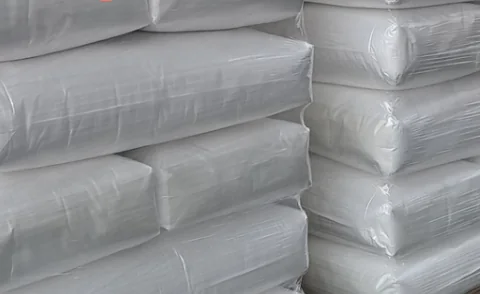
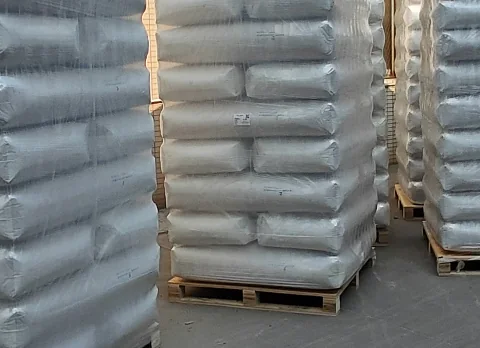
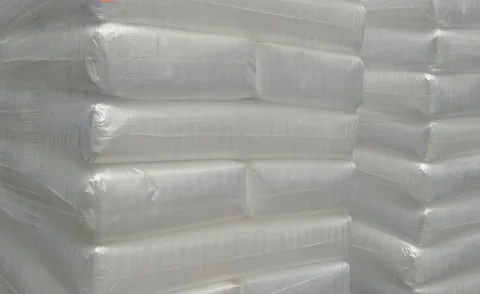
Precipitated silica, also called hydrated silica or white carbon black, is produced by acidifying a sodium silicate solution under controlled pH, temperature and concentration. Silica particles nucleate and grow into aggregates, which are then filtered, washed, dried and milled to the target particle size. Typical BET surface areas range from about 50 to 300 m2/g, with many general-purpose grades between 100 and 200 m2/g.
What is fumed silica?
Fumed silica, also called pyrogenic silica, is made by flame hydrolysis of silicon tetrachloride at high temperature. Its primary particles are extremely fine, typically 7 to 40 nanometres, and fuse into chain-like aggregates. Commercial grades usually have BET surface areas from roughly 100 to 400 m2/g and build a strong network in liquids at very low addition levels.
Side-by-side comparison
| Property | Precipitated silica | Fumed silica |
|---|---|---|
| Production | Acidification of sodium silicate | Flame hydrolysis of SiCl4 |
| BET surface area | 50-300 m2/g | 100-400 m2/g |
| Thickening | Moderate | Very strong at low dosage |
| Typical dosage | Several percent to 20-30 phr in rubber | Often 1-5% or less |
| Cost | Lower, economical for high-volume use | Significantly higher |
| Typical uses | Rubber, matting, inks, feed, agrochemicals | Silicone rubber, sealants, adhesives, cosmetics |
How to choose by application
Rubber and tires: precipitated silica is the standard choice. Grades with BET around 150-180 m2/g, SiO2 at or above 97% and pH 5.0-7.5 are widely used in shoe soles, tire treads and rubber rollers. Dispersion and silane coupling matter more than the headline BET number.
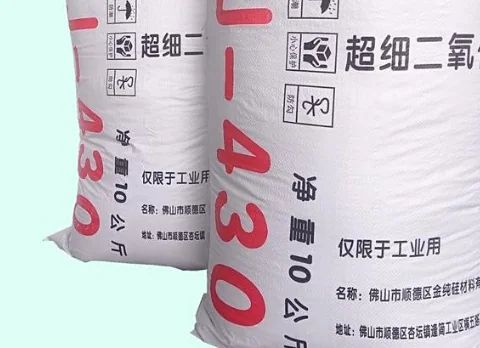
Silicone rubber: fumed silica has traditionally dominated because of reinforcement efficiency and transparency. Low-iron precipitated grades such as J-430 can deliver good reinforcement and clarity at a lower cost. Evaluate both against hardness, transparency and elongation targets.
Coatings and inks: for matting, gel-process precipitated silica is the practical choice. Its pore structure gives high matting efficiency with a smooth film at far lower cost than fumed silica at the loading matting requires. For anti-settling, precipitated grades are easier to disperse on standard high-speed equipment.
Feed and agrochemicals: precipitated silica is the clear winner. High absorption, micro-bead forms and low heavy-metal content make it suitable as a carrier, anti-caking agent and free-flow aid.
Practical selection checklist
Start with the function you need: matting, reinforcement, absorption or thickening. Then set a target BET and particle size, check moisture and iron content, and confirm the dispersion equipment available in your plant. Always validate with a small production trial before changing a commercial formulation.
FAQ
Can I replace fumed silica with precipitated silica?
Sometimes, but not one-for-one. Thickening efficiency and transparency differ, so adjust dosage and dispersion process accordingly.
Which grade do you recommend for rubber?
C-181 is our general reinforcing grade with BET 150-180 m2/g. Tell us your compound and we will suggest a grade and silane approach.
Do you provide samples and TDS?
Yes. Samples, TDS and SDS can be arranged for qualified enquiries.