
Coating formulators use silica to control gloss, prevent hard settling and reinforce the paint film. Jinsilica supplies gel-process matting silica, thixotropic anti-settling grades and low-iron ultra-fine fillers, with custom particle size and surface treatment available.
A matting agent with the wrong pore structure needs excessive dosage, which hurts viscosity and film clarity.
Pigments and extenders compact into a hard layer that is difficult to redisperse.
Coarse or poorly dispersed silica creates roughness and gloss haze.
| Grade | Type | Key specification | Best for |
|---|---|---|---|
| M-560 / M-460 / UV650 | Gel-process matting silica | High porosity, controlled D50 | Matting of lacquers, UV and industrial coatings |
| JM-200 | Anti-settling silica | Thixotropic network | Sag resistance and anti-settling |
| J-181 / Q-182 / Q-186 | Ultra-fine filler | 1250-3000 mesh, low iron | Functional filler and suspension control |
| S-186 | Hydrophobic modified silica | Low moisture uptake | Moisture-sensitive and non-polar systems |
Gel-process silica contains a three-dimensional pore structure. When dispersed into a coating, these pores create microscopic surface roughness after solvent evaporation, scattering reflected light and reducing gloss. Narrow particle size distribution gives a smoother film with less haze. Anti-settling grades work differently: their fine particles form a weak thixotropic network that holds pigments in suspension at rest and breaks down under shear during application.
Add silica slowly into the resin or solvent under high-speed dispersion, allow enough wetting time, then adjust viscosity. Avoid over-milling matting silica, which can collapse the pore structure and reduce matting efficiency. For UV systems, check cure speed after adding silica because light scattering can slow the reaction.
M-460 gives a smooth matte finish with good transparency and minimal gloss haze.
UV650 is optimised for UV resins with high matting efficiency and good surface finish.
Low-moisture M-266 and micro-bead C-181MP help anti-caking and flow.
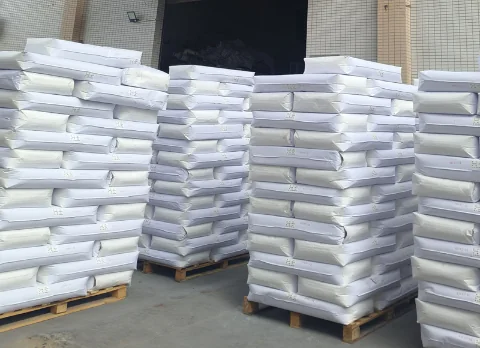
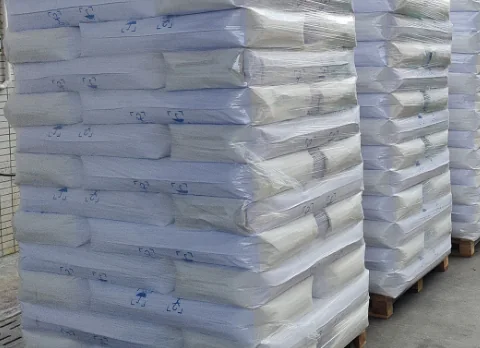
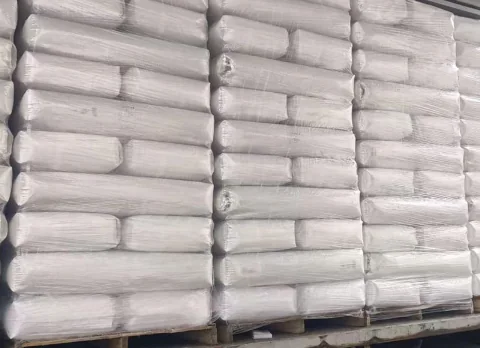


Silica has controlled porosity and particle size, giving far higher matting efficiency at lower dosage than talc, with less impact on film properties.
Use a narrow-distribution grade, improve dispersion and avoid excessive dosage. Our team can suggest a grade based on your resin.
Yes. Particle size distribution, BET and surface treatment can be adjusted for qualified projects.
Tell us your formulation and target properties. We will recommend a grade, provide the TDS and arrange samples. Email jc@jinsilica.com · Technical support: Mr. Liao +86-136-9529-9393.